About The Village Tinto
A long-form conversation and oral archive project rooted in Goa. Its purpose, held over twenty years, is to create a body of primary sources capturing what Goa was thinking at this particular historical moment — held in one place, available to the future.
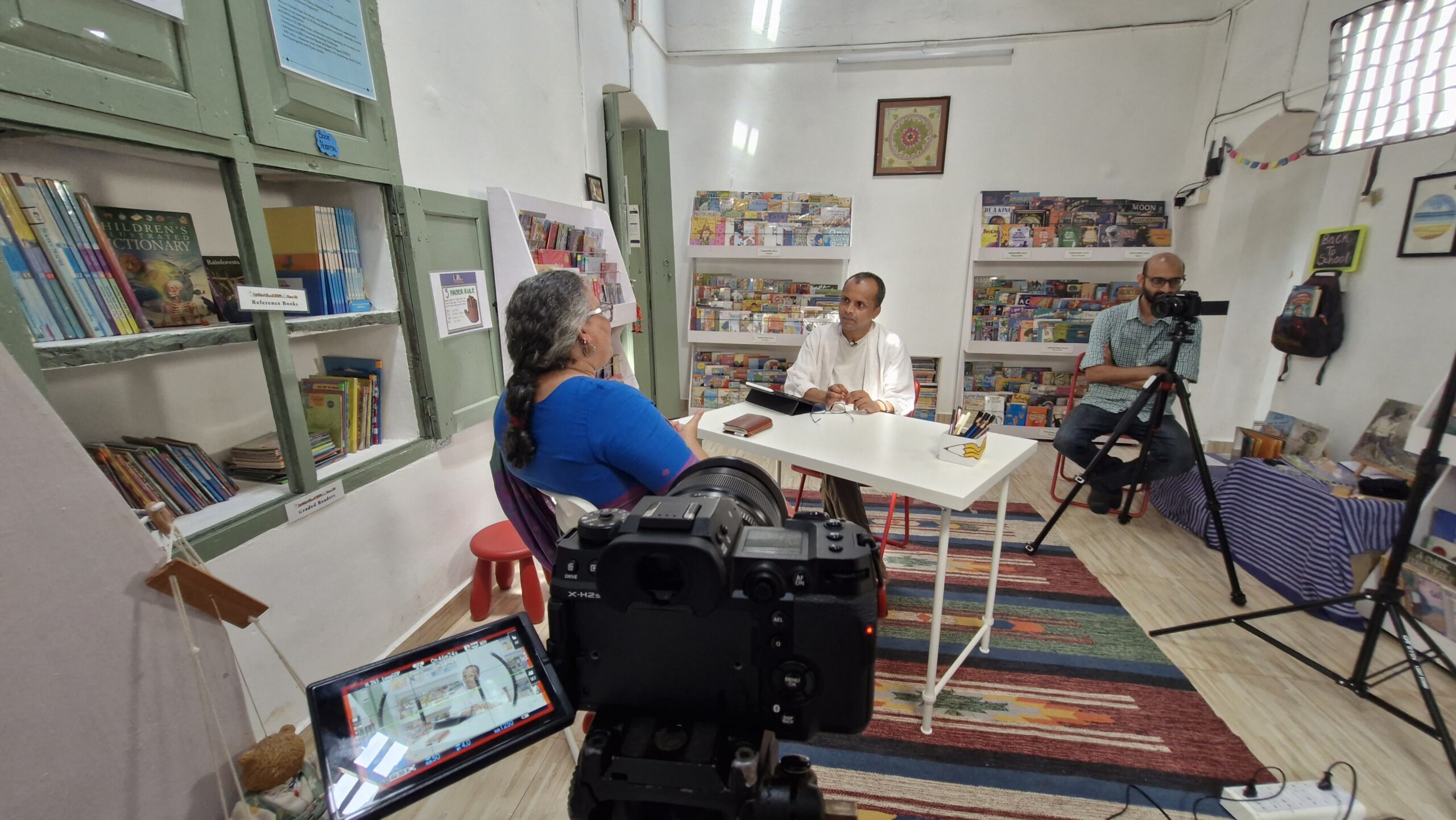
The Village Tinto is not, at its foundation, a podcast. It is an archive that happens to be made through conversation. The distinction matters: the archive is the point. The conversations are the method.
Goa is changing at a pace that outruns the documentation of that change. Land, language, ecology, migration, the texture of village life — these are transforming faster than the institutions built to preserve them can respond. The Village Tinto exists to slow that gap, one conversation at a time.
“The tinto was never only a place of buying and selling. It was a commons — where the fisherman, bureaucrat, priest, activist, migrant worker, hotelier, artist, and politician occupied the same social space. The Village Tinto adopts that philosophy.”
Guests are selected not for prominence but for depth — for the quality of insight their particular life and work makes available. The conversations follow a structure that moves from personal formation through to the stakes of the present, and what remains when those stakes are weighed honestly.
The editorial philosophy is built on multiplicity, contradiction, and unresolved tension. The project is not attempting to produce a single, mappable identity of Goa. It is attempting to make complexity available.
The host
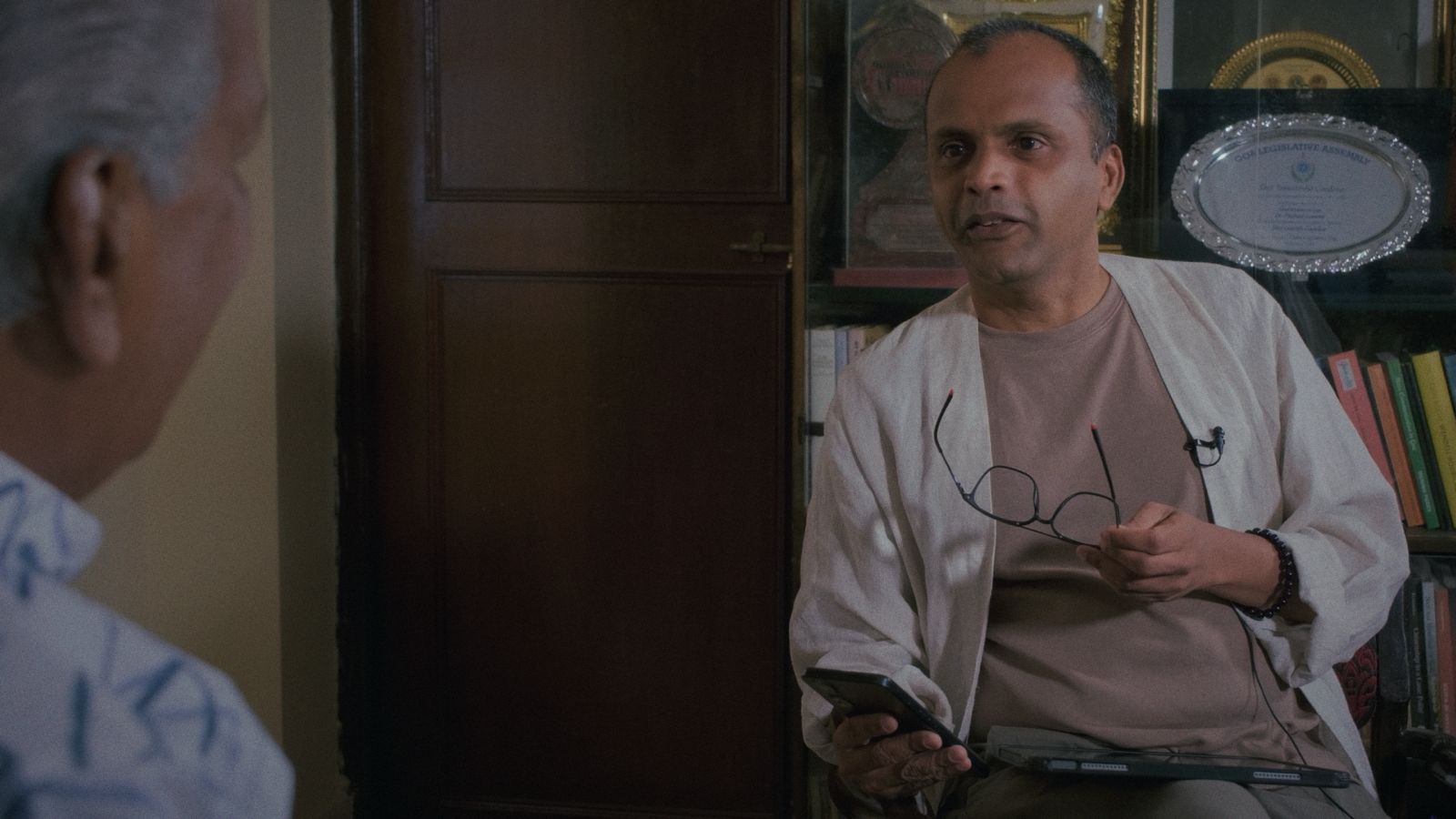
The Village Tinto is hosted and directed by a documentary filmmaker with a background in television journalism. His previous work includes Ami Kon (co-directed with Vithai Zaraunker) and Maa Dei, made with the Mhadei Collective about the Mhadei river dispute.
He was born in Bombay and has chosen to settle in Goa in his ancestral home. That position — chosen rather than inherited, inside and outside simultaneously — informs how the project approaches its guests and its questions. It is a positionality he holds explicitly, not as credential but as context.
HOST STATEMENT
I have been practising the art of paying attention for over 25 years. Through film, photography and conversation, I follow stories that resist urgency and reward patience. I am interested in the slower rhythms of human experience and the meanings that emerge when we stay with something long enough.
– GD
The Village Tinto’s editorial independence policy is published separately. No supporter has editorial influence over the project.